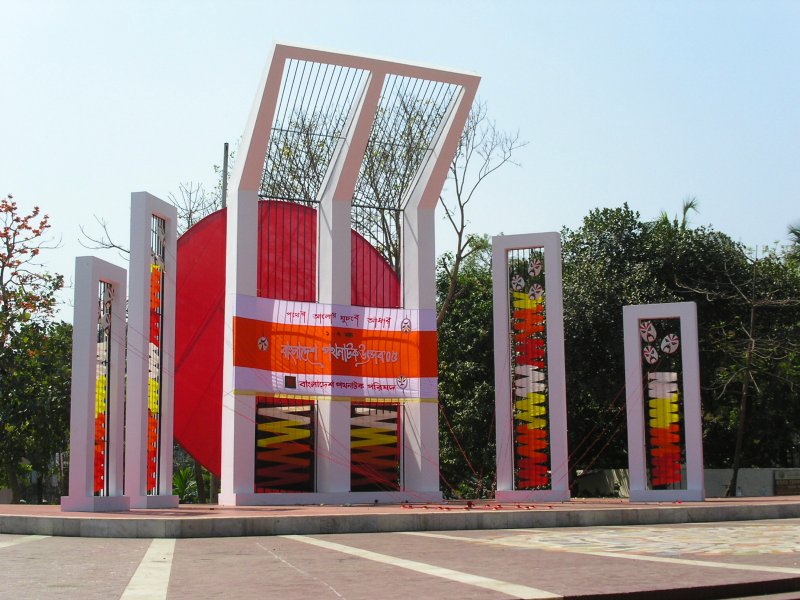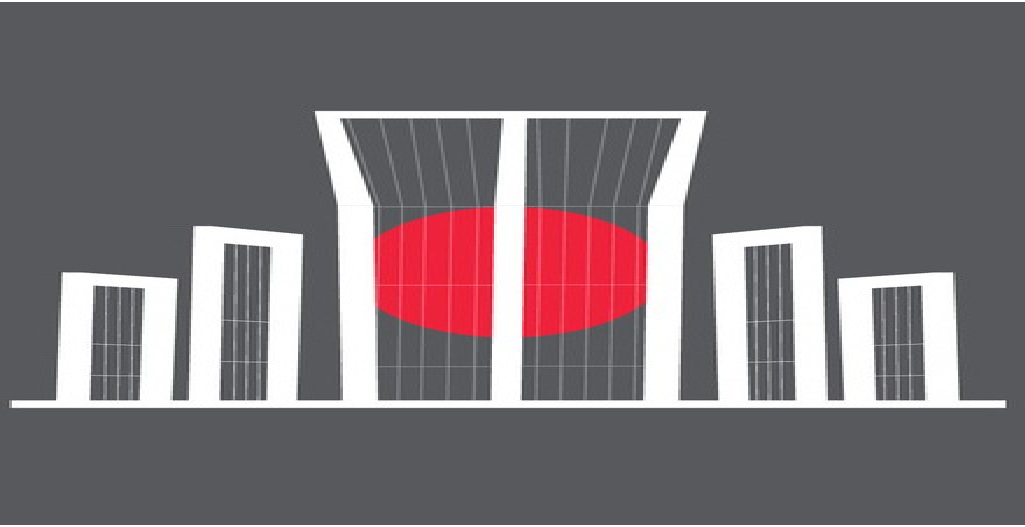
21 Frebruary , International Mother Language Day
Amar Bhai'er Rokte Rangano Ekushey February ami ki vulite pari ?
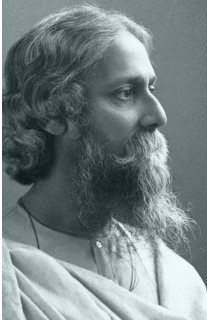
moder garab moder asha amori bangla vasha
"Bangla vasha uccarita hole nikano uthane jhore roudro ,
branday lage jostnar chandan . "
--- Shamsur Rahaman
Speak in Bengali
SHORT HISTORY OF BENGALI LANGUAGE MOVEMENT
- The Bengali Language Movement was a political and cultural movement in former East Pakistan (now Bangladesh) that took place between 1948 and 1952. It aimed to make Bangla (Bengali) one of the state languages of Pakistan.
Background
After the creation of Pakistan in 1947, the central government (based in West Pakistan) declared Urdu as the only state language.
This decision deeply angered the people of East Pakistan, where the majority spoke Bangla.
Major Events
- 1948: Protests began in Dhaka when Muhammad Ali Jinnah and Khwaja Nazimuddin declared Urdu as the only state language.
- 1949–1951: Student groups and cultural organizations continued organizing rallies and meetings demanding Bangla’s recognition.
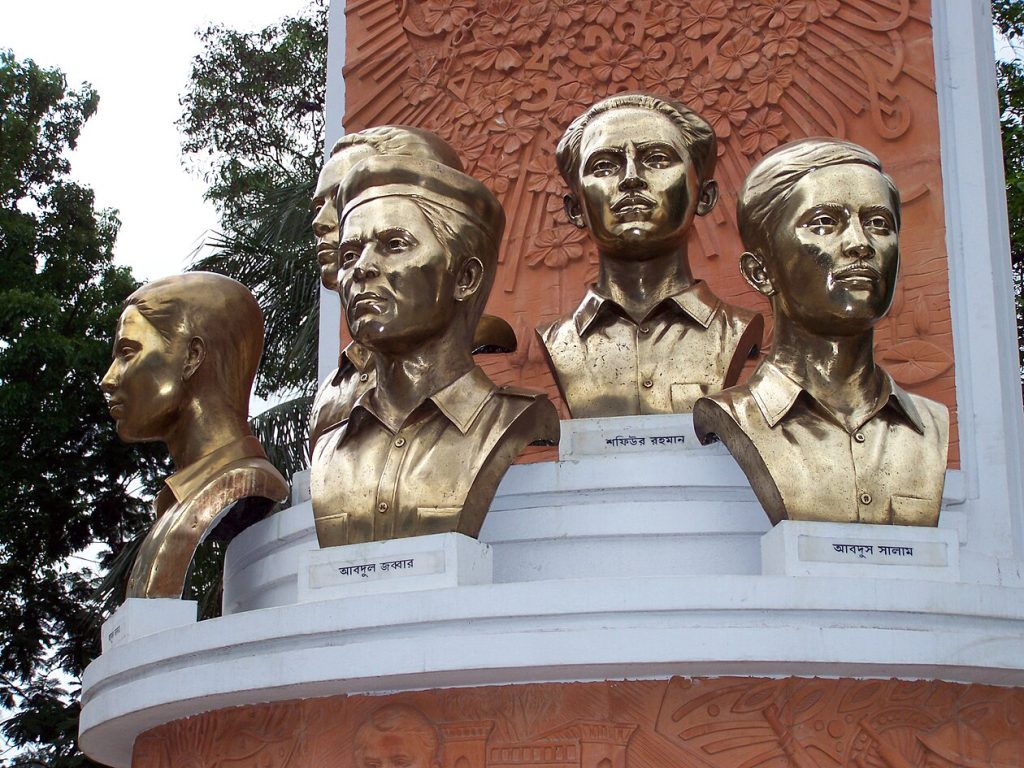
- 21 February 1952: Police opened fire on protesting students at Dhaka University.
- Several students were killed, including Salam, Barkat, Rafiq, Jabbar, and Shafiur.
- This tragic event became a turning point. Outcome
- Public outrage forced the government to accept Bangla as one of the state languages in 1956.
- 21 February is now observed as Shaheed Dibosh (Martyrs’ Day) in Bangladesh and asInternationalMotherLanguageDayworldwide,declared by UNESCO in 1999.
Significance
- The movement not only protected the Bengali language but also inspired the struggle for Bangladesh’s independence in 1971.It symbolizes love for one’s mother tongue, culture, and identity. Abdul Gaffar Choudhury, a young student and journalist at that time,wrote the song “Amar Bhaier Rokte Rangano Ekushey February”
Can I forget the twenty-first of February
incarnadined by the love of my brother?
The twenty-first of February, built by the tears
of a hundred mothers robbed of their sons,
Can I ever forget it?
Wake up all serpents,
wake up all summer thunder-storms,
let the whole world rise up
in anger and protest against the massacre of innocent children.
They tried to crush the demand of the people
by murdering the golden sons of the land.
Can they get away with it
at this hour when the times are poised
for a radical change?
No, no, no, no,
In the history reddened by blood
the final verdict has been given already
by the twenty-first of February.
It was a smooth and pleasant night,
with the winter nearly gone
and the moon smiling in the blue sky
and lovely fragrant flowers blossoming on the roadside,
and all of a sudden rose a storm,
fierce like a wild horde of savage beasts.
Even in the darkness we know who those beasts were.
On them we shower the bitterest hatred
of all mothers brothers and sisters.
They fired at the soul of this land,
They tried to silence the demand of the people,
They kicked at the bosom of Bengal.
They did not belong to this country.
They wanted to sell away her good fortune.
They robbed the people of food, clothing and peace.
On them we shower our bitterest hatred.
Wake up today, the twenty-first of February.
do wake you, please.
Our heroic boys and girls still languish in the prisons of the tyrant.
The souls of my martyred brothers still cry.
But today everywhere the somnolent strength
of the people have begun to stir
and we shall set February ablaze
by the flame of our fierce anger.
How can I ever forget the twenty-first of February?
Translated by Kabir Chowdhury